Destinations

Experience the harmony of nature and climate, merged seamlessly with the richness of heritage and cultural authenticity

Dhahran Al Janoub

Positioned as Aseer's southeastern gateway, Dhahran Al-Janoub is cradled by majestic mountains, draped in dark hues and cascading waterfalls that follow the summer rains. These mountains overlook virgin valleys rich in biodiversity, providing an exhilarating experience for adventurers. The strategic "Alb" border crossing is situated here among high mountains, enhancing its importance. The region is lush with orchards producing succulent fruits and diverse crops, and its valleys, adorned with lavender and wild herbs, end in tranquil dams such as Wadi Al Farwan Dam, Wadi Al Shat, and Wadi Ara'ar, which serve as serene natural parks.

Dhahran Al-Janoub is steeped in history, once a caravan route known for the "winter journeys." It was part of the "Incense Route" with ancient inscriptions and drawings preserved on the rocks of the "Katam," "Al Mubrah," and "Azzan" mountains. It also played a role in the "Elephant Road," part of Abraha the Abyssinian's famous attempt to demolish the Kaaba, with some of the stone path he paved still visible in "Al Maslulah," "Qawiyah," and "Al Thawilah.”

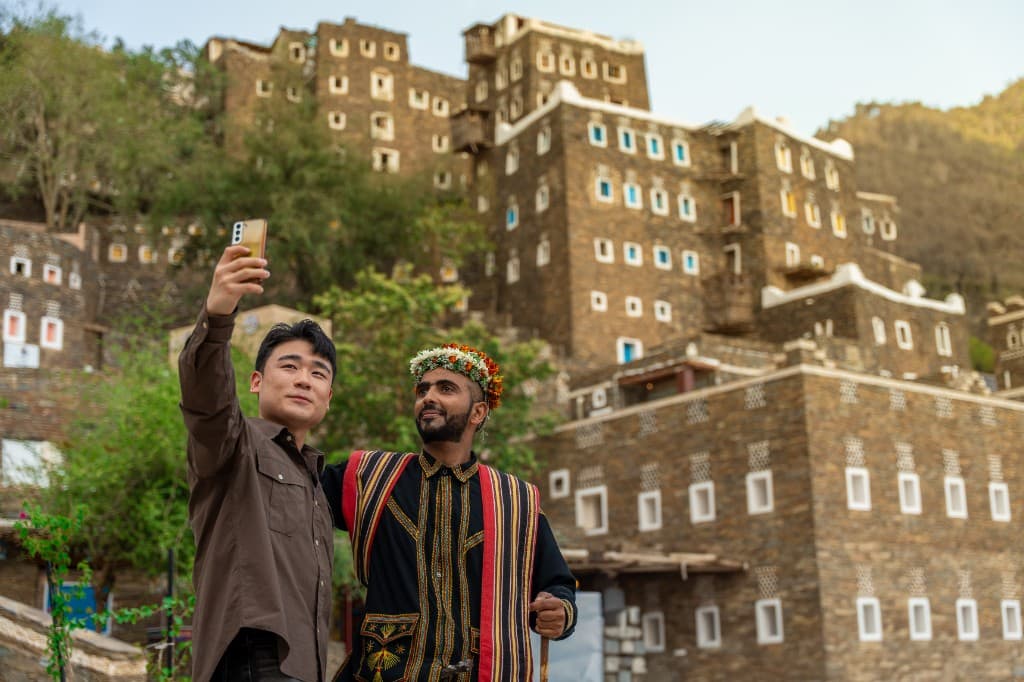
For visitors, Dhahran Al-Janoub offers an insight into its urban heritage in its ancient mud-brick villages within the city, characterized by tall fortresses, remnants of stone wells, and mosques dating back to the companions' era.

Dhahran Al-Janoub enriches your senses with the grandeur of nature and history.

Sarat Abidah

Located south of Abha, Sarat Abidah is draped in clouds and bordered by the moon, set amidst towering mountains, deep valleys, and green plateaus. Like its neighboring towns, it enjoys a mild summer and cold winter climate with seasonal rains that boost its agricultural activities. As you explore the evolving paths of Sarat Abidah, you'll discover numerous artistic sculptures dotting its landscape.

Tourists are drawn to Sarat Abidah for its natural beauty, from the lofty mountains like Al Majaz and Jabal Thalm, which holds traces of Abu Zayd al-Hilali’s horse ties, to the stunning valleys like Wadi Al Jowf and Al Sarawi. Its natural parks, such as Al Ramidah with its fresh groundwater, and Al Jamma with dense trees, offer perfect settings for a day out in solitude amidst greenery.

Sarat Abidah is distinguished by a social fabric built on solidarity, cooperation, and harmony, visible alongside the civilizational and historical factors in one of Aseer's most famous heritage villages, "Al Khalaf Village." The village demonstrates masterful lessons in traditional architecture, utilizing local materials and tools, simple yet strong construction tailored to the community's needs and aspirations. The village tour offers a delightful stroll through its butcher shops and mud houses, leading to the famous cave with its marble columns, four rooms, and the manually dug "Barha" well, flowing with water and linked to the Banu Hilal. Visitors can also enjoy a cultural tour at the "Ibn Muatiq" museum, brimming with unforgettable local details and history.

Abha

Nestled among the Sarawat Mountains in southwestern Saudi Arabia, Abha stands like a jewel-crowned queen, cloaked in mist and beauty, surrounded by the of clouds that grace it throughout the seasons. Abha, the vibrant gateway to the Aseer region, is rich in diversity in every direction. It is known for its cool, rainy summers; qualities that have made it a premier and sustainable tourist destination for visitors from around the globe. Here, cultural, artistic, and historical treasures abound. You can explore ancient castles filled with stories, like Shamsan Fortress, Dhra'a Fortress, and the major and minor Al-Daqal Fortresses.

The city also has various archaeological museums that were once homes, transformed by their owners into lasting beacons of beauty that introduce the world to the deep-rooted heritage of Aseer and its assorted treasures, such as Fatimah Museum and Al-Raqadi Museum.

At its heart, along the banks of the lengthy Abha Valley, lies the famous Tuesday Market, a traditional experience of shopping and cultural immersion in this lofty city. Nearby, the artistic village of Al-Muftaha thrives as the heart of arts and music, where the stage of legendary singer Talal Maddah stands. Abha's lush fields, enriched by its climatic diversity, yield a variety of agricultural products from roses to grains and fruits to vegetables, supporting the local commerce, industry, and farming.

Abha, with its timeless charm and serene summer dreamlike tranquillity, competes globally in its development and urban sophistication, featuring governmental and civic facilities that provide quality services, enriching the region's investment and progress. In Abha, you’ll find renowned restaurants, modern cafes, the latest in entertainment and sports, and it remains a year-round hub for prestigious festivals, conferences, and seminars.

Abha: an endless treasure of wealth and wonder. Discover Abha's Famous Landmarks

Khamis Mushait

Tucked in within the mountain peaks to the west and the beginnings of golden sands to the east, Khamis Mushait spans across a vast plain in the heart of the Aseer region. It pulsates with life, linking the east and west, and serves as a dynamic artery of growth and investment. Historically a regional hub for commerce and industry that served both residents of Aseer and travelers, it continues to play a vital role and now stands as one of the four largest commercial cities in the Kingdom, contributing significantly to regional development and attracting capital and investments.

Khamis Mushait is teeming with various industries, including iron, dairy, aluminum, and paints, and thrives in free trade, especially in gold, jewelry, and automobiles. With its massive commercial and investment activities, temperate climate throughout the year, and diverse tourist attractions like historical sites, museums, shopping centers, and entertainment venues, it has become a destination for many visitors. This influx has fueled the development of modern accommodations and hospitality, from hotels to resorts.

For tourists, Khamis Mushait enriches their experience with its wealth of historical heritage visible in the ancient palaces of the Al-Mushait family, its cultural journey through museums and traditional villages like Ibn Hamsan Village, or its entertainment complexes such as Khamis Boulevard.

Khamis Mushait stands as a living testament to richness and authenticity.

Balsamer

Atop the Sarawat mountain range north of Abha, Balasmar stands—a place chosen by the Banu Al-Asmar tribe for its fertile soil and lush greenery, with a climate cool in summer and rainy most of the year. Balasmar has become a favored destination for its pristine natural beauty and specialty crops like wheat and barley, known for their quality, alongside abundant production of ghee and honey.

The archaeological tales of Balasmar unfold in the expansive Wadi 'Aya, home to some of the oldest civilizations in the Arabian Peninsula. Unique construction remnants begin with fortresses and war castles guarding the ancient walls, houses, and marketplaces whose traces continue to awe visitors. Distinctive to Balasmar are the "Rusoos"—multi-tiered stone tombs unique in the world, stacking up to four levels, each containing the remains of an individual.

Balasmar's vast landscapes are dotted with towering mountains, verdant valleys, and dense forests, making it a haven for those keen on mountain climbing and forest exploration. Attractions like Shu'af Al Khuraim Lookout, Khalaqah Park, and Wadi Khaddar Park provide natural retreats for residents and tourists alike, making Balasmar a distinctive choice among the tranquil areas north of Abha.

Bilhamer

Nestled in the heart of Aseer's mountainous peaks, north of Abha, Balhamar is enveloped in mist and shines beneath the rain. Its fertile fields burst with succulent fruits like figs, grapes, and pomegranates, alongside abundant crops of grains, vegetables, and fragrant plants, producing exquisite honey and ghee. Balhamar proudly overlooks the warm lowlands, a cozy refuge in winter, with its green slopes offering a picturesque setting and a delightful experience for tourists.

Known for its rich produce, Balhamar boasts vibrant markets held on various weekdays, named after the days they occur, such as Saturday Market, Thursday Market, and Haymah Market. These bustling markets are a treat for those interested in observing the lively trade of livestock, agricultural produce, and artisanal goods.

Balhamar's heritage is evident in ancient remains like walls and buildings made from local materials and collective tombs known as "Rusoos" in Wadi 'Aya, which stretches between Balhamar and Balasmar. Visitors can delve deeper into cultural details at the tourist village of Bin Adwan, combining exploration and leisure, or visit Balhamar’s extensive natural parks in every direction like Al Azah Park, Al Kamil Viewpoint and Park, and Bayhan Shu'af Park, where streams meander through valleys up to a lushly covered mountain dotted with camping sites.

Balqarn

Balqarn, the northern gateway to Aseer, is divided into three distinct natural environments. The first is perched on the rugged rocky formations of the Sarawat Mountains, featuring flowing valleys and fertile agricultural terraces. The second, the Asdar area, boasts scattered dwellings and lush pastures. The third, the Tihama locations, with its warm climates in the low plains, serves as a winter haven for mountain dwellers.

This climatic and environmental diversity endows Balqarn with a varied agricultural output visible in its produce like berries, grapes, and olives, making it a tourist destination for those seeking unique environmental contrasts and eager to explore its natural sites, dense forests, green plains, and tranquil streams as seen in Shibana Park, Al-Khaldiyah Park, and Al-Azilah Park.

Balqarn’s rich agricultural bounty supports a vibrant array of bustling markets, attracting shoppers and visitors keen on experiencing and tasting fresh local products.

The historical depth of Balqarn is evident in its ancient forts and castles scattered across its villages, showcasing the resilience and fortitude of its people. Additionally, numerous artifacts and inscriptions indicate ancient settlement, like those on smooth rocks in Shibana Park. Al-Sidra Mosque, an ancient architectural marvel with stone structures and wooden column-supported roofs, and the heritage village of Sabt Al-Alaya, where buildings have stood for centuries, are testaments to its rich past.

The various annual festivals in Balqarn, such as the Grape Festival, Olive Festival, and shopping festivals, enrich visitors' experiences and are well-attended by locals, making them worthy of a visit during their seasons.

Al Soudah

At the highest mountain peak in the Arabian Peninsula, rising over 3,000 meters, Al-Soudah reigns supreme in Aseer as a unique tourist experience. It boasts dense vegetation, diverse ecosystems, a moderate summer climate, and cold winters, enriched by its cultural, artistic, historical, and civilizational heritage.

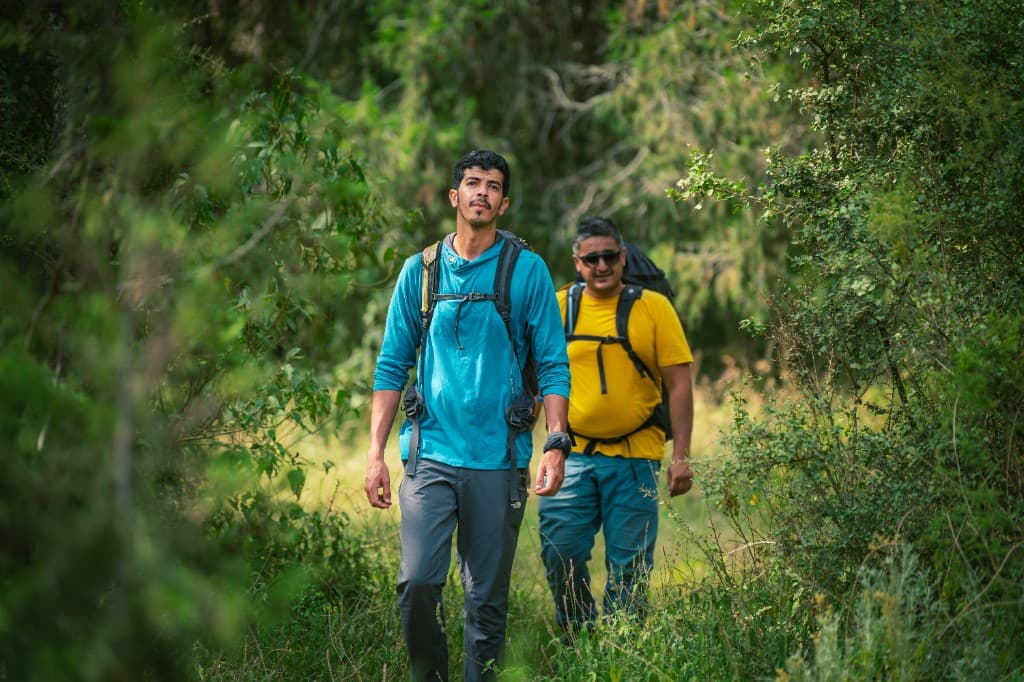
In Al-Soudah, tourists revel in adventure by engaging in mountain sports like climbing, paragliding, or hiking through its lush, rain-soaked forests in natural parks like King Abdulaziz Park or the famous Raydah Nature Reserve, known for its ancient coffee trees. Visitors can also step back in time to explore the history and civilizations documented by nearly two hundred forts, castles, relics, inscriptions, and palaces like those of Al Abu Sarh and Al Abu Naqta families.

Al-Soudah is a haven for rural experience enthusiasts, offering accommodations and camping in various villages like Baah Rabeeah, Al Qusayr, and Al Azizah, and discovering its waterfalls like Ain Al Dhaiba and Al Muhatib.

Al-Soudah is a promising opportunity for tourism investment, utilizing its natural, environmental, and sustainable cultural resources. It is undergoing significant developmental efforts to create a world-class tourist experience, positioning it as a global destination throughout the year.

Al Namas

Located 140 kilometers north of Abha, the enchanting city of Al-Namas sits atop the Sarawat Mountains. Its beauty is not merely in its perpetual cloak of mist, making it seem as though it has become one with the fog of both summer and winter, nor solely in its stunning natural offerings of ancient green forests, or fertile, water-rich flowering fields—as seen in Murir Park or Shu'af Al Walid Park. Its allure also stems from the mysterious charm of its deep historical roots, drawing in those who wander through and evoking civilizations long past.

Al-Namas is dotted with fortresses, castles, and palaces featuring unique architecture—cylindrical or square—that unleash a tale of curiosity, like the Mashrefah Palace, Al-Muqar Village, and Mishnah Fortress. Its historical mosques, like Al-Saraw Mosque and Thuraban Mosque, stand as testaments to its rich Islamic heritage from the religion’s earliest decades.

The mountains of Al-Namas, draped in majesty and allure, offer more than just breathtaking nature; the archaeological sites on these mountains or the engraved tombs provide another layer of excitement and discovery, like Jabal Dhie Ain and Jabal Al-Sajin, which hint at ancient iron mines. The ultimate thrill lies in uncovering one of the Arabian Peninsula’s oldest forgotten civilizations in Al-Jahwah Village, which preserves parts of its ancient buildings, relics, and old walls.

Al-Namas is a grand opportunity to satisfy the yearning for discovering history intertwined with stunning nature.

Ahad Rafidah

Ahad Rafidah, one of Aseer’s prominent provinces, lies southeast of Abha. Named after the renowned Sunday market, a hub for trade, poetry, and reconciliation, it features a moderate climate with plentiful rain, contributing to its vibrant agriculture amid its mountains and plains.

Deep within a rocky fissure of its mountains lies the ancient village of "Al-Habala," once accessible only by ropes. The residents have since relocated, transforming Al-Habala into a tourist site with residential villas, cable cars, and striking rock formations, drawing crowds annually. Nearby, the majestic mountains of Al-Sha'ara and Al-Mahall offer exhilarating hiking experiences and stunning views of cascading waterfalls during the rainy seasons.

"Al-Marba" Park stretches south of Ahad Rafidah as a verdant carpet with dense trees and scattered rock formations, a haven for nature lovers. "Sha'af Gharma" Park offers a mesmerizing view over the Tihama plains through occasional mists.

Ahad Rafidah is also home to one of the kingdom’s first open archaeological sites at the Jurash site, which showcases building remnants and artifacts that predate Islam, ongoing excavations revealing its rich history. Additionally, ancient inscriptions and drawings are found here.

Locals, deeply invested in beauty, art, and heritage, have converted some old mud houses into museums like the Clay House Museum and the Al-Amiriya Museum, offering insights into a richly detailed life, both past and present.

Cultural tourism thrives here too, with the Culture House serving as the first public library in the region, supported by the Ministry of Culture in its new form.