Destinations

Experience the harmony of nature and climate, merged seamlessly with the richness of heritage and cultural authenticity

Rijal Almaa

Like a bouquet of natural hues, Rujal Alma lies secluded in a valley 45 km from the city of Abha, spreading its radiant colors across surrounding slopes, plains, and valleys as art, culture, heritage, and richness amid a unique ecosystem and biodiversity. The climate here is temperate, with cozy winters and warm summers, complemented by heavy monsoon rains and sweeping torrents from the encircling Sarawat Mountains.

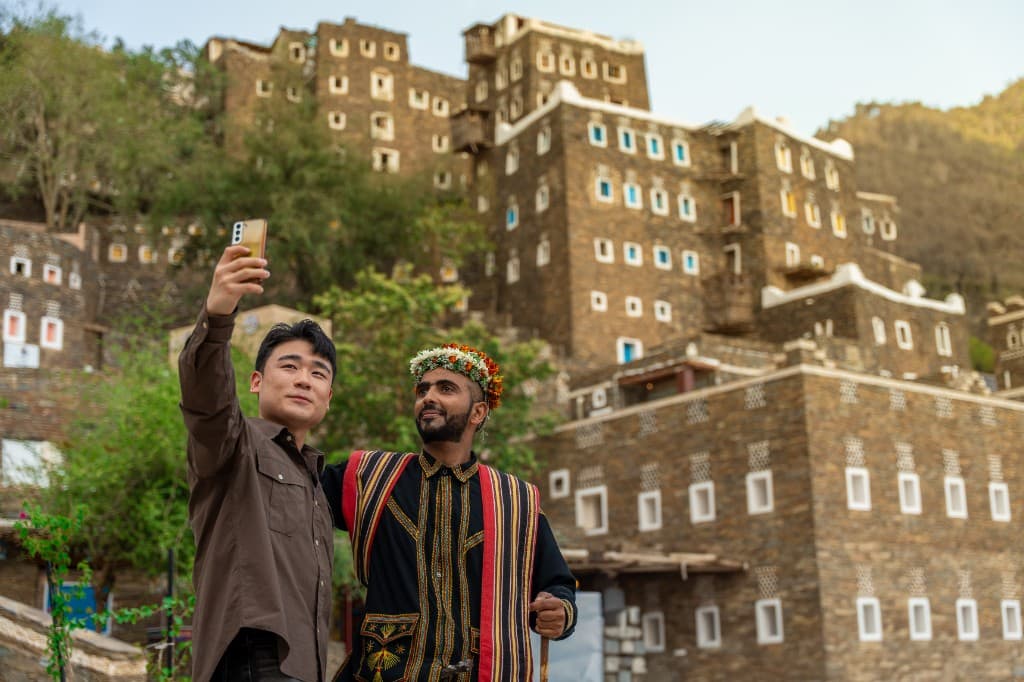
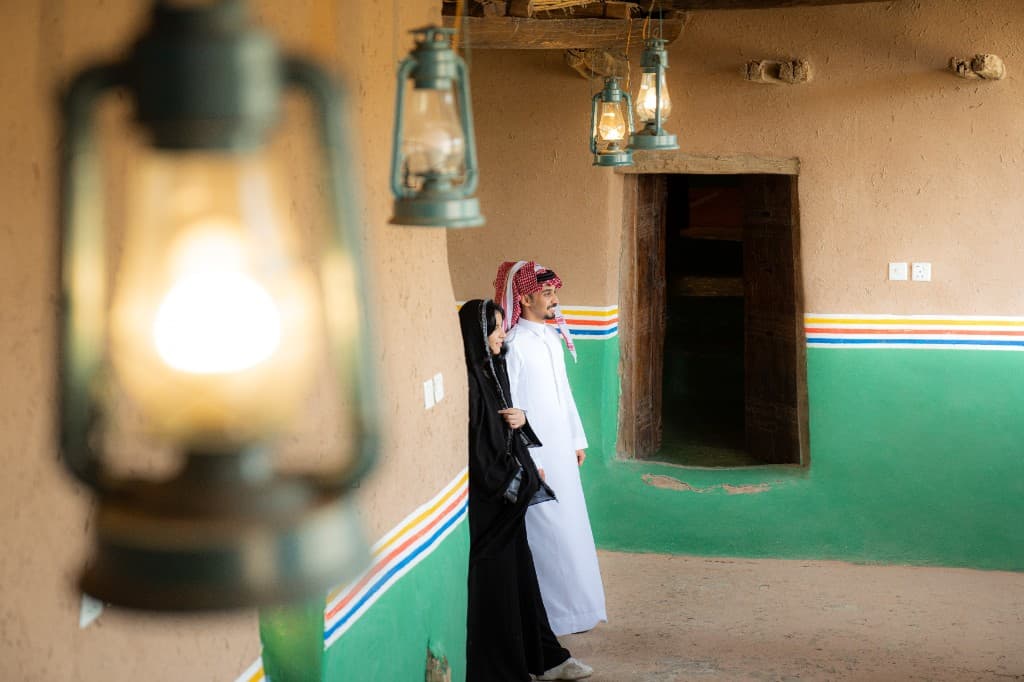
Rujal Alma is renowned for its 900-year-old heritage village, distinguished by consistent stone architecture and efficiently utilized spaces across sixty adjacent palaces. These are adorned with white crystal stone facades and brightly colored, patterned interior walls known as Al-Qatt Al-Asiri art. One of these palaces serves as an open heritage museum, welcoming visitors throughout the year with various archaeological and heritage displays that narrate the history of its people and place over the years. This storied architecture and unique civilization of the Rujal Alma village have earned it a spot on the UNESCO World Heritage List, enhancing its global fame and attracting more visitors from around the world.

Rujal Alma is enveloped by a notable density of vegetation and is famous for the ancient Talaq trees. Visitors can revel in its lush nature at various parks like Wadi Haswa Park, visit the Honey Hut to learn about honey production stages and types in a rural setting among mountains and valleys, or bathe in the mineral waters at the hot spring located at the base of a known volcanic mountain in Wadi Al-Magsal, returning home with memories colored in beauty and heritage.

Muhayil Aseer

Nestled among the Sarawat peaks, 80 km from the city of Abha, Muhayil Asir lies like a dreamy tune. At an elevation close to sea level, its moderate climate boasts mild winters and warm summers, making it a luxurious winter retreat for mountain dwellers. The region's natural diversity of green plains, flowing valleys, and moderate rainfall yields lush fields of top-quality vegetables, fruits, and Tehama grains like corn, which enter into various delicious local dishes, alongside the signature dish that draws many a traveler: "Muhayil Haneez.”

Visitors to Muhayil Asir find a peaceful refuge at Al Haila Park, stretching along the banks of Wadi Hali, one of the kingdom's largest valleys, or by venturing to Wadi Qana with its lush orchards and dense trees, or enjoying a complete view of the city from the summit of Jabal Al Muqaysera Park, which divides Muhayil into eastern and western sections. Adventurous spirits can soar in paragliding from the peak of this mountain or from the lookout of Jabal Hada.

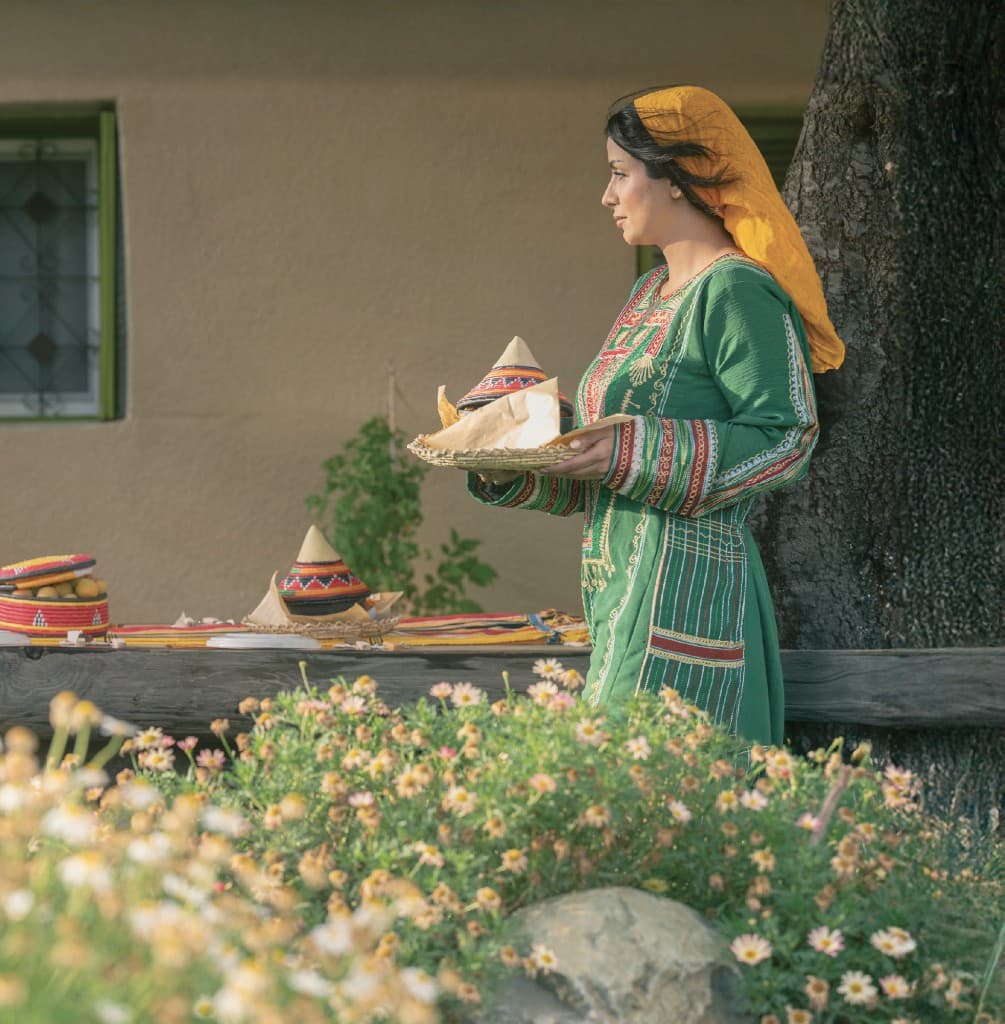
For those keen on uncovering the city’s unique secrets, one can delve deeper into Muhayil Asir at its traditional market, wandering through vibrant bazaars brimming with local produce and the bounty of surrounding villages, trying on traditional attire, tasting local flavors, and chatting with its friendly inhabitants.

The locals share stories of Muhayil Asir’s ancient heritage, its castles and fortresses dating back centuries, rock inscriptions, and historical writings, particularly visible in Wadi Nakhalin. They extend an open invitation to visit the "Al Ghaleelah" well, one of many in Muhayil, to taste its flowing water that naturally supplies Muhayil Asir with fresh water.

Bareq

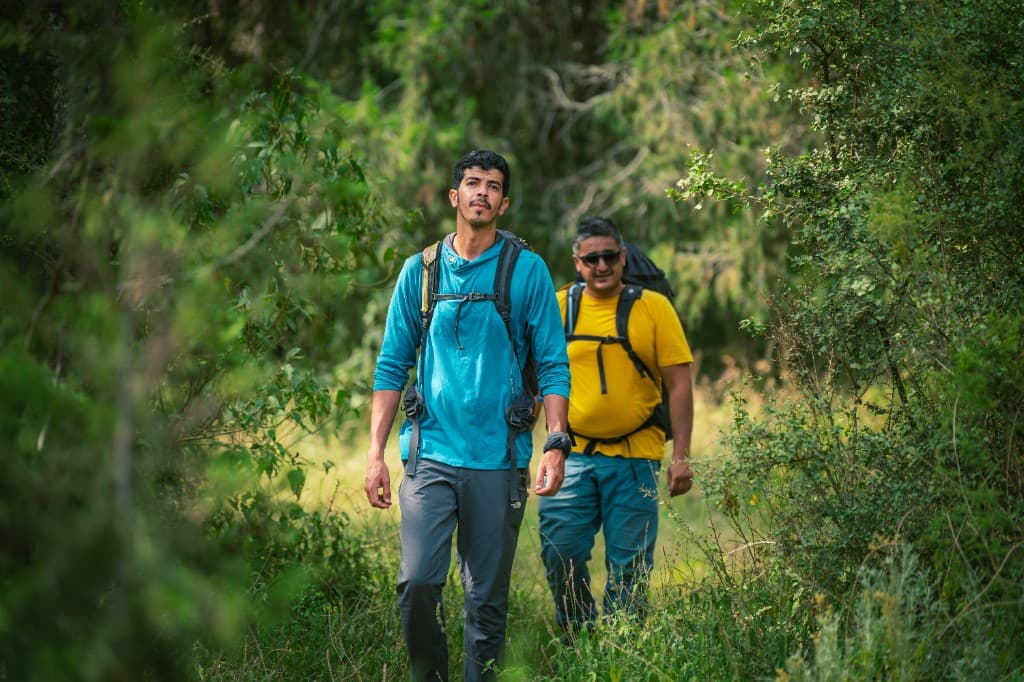
Bareq, a distinguished district in Aseer, sits between its mountains and the Red Sea's shores, unfolding with numerous villages across its green plains, abundant valleys, and high mountains, under a moderately arid climate. It's a haven for safari and camping enthusiasts and mountaineers, who find their bliss hiking in Mount Thurban, famous for its natural honey sources from verdant trees, and Mount Athrab, or along its valleys like Wadi Bardani with its flowing waters and stunning green banks.

The ancient stone-built villages of Bareq, layered in history, signify an age-old civilization dating back to pre-Islamic times. They house one of the Arab world's oldest markets, Hubasha Market, where Prophet Muhammad traded before his prophecy. Although many of its original features have faded, some rock inscriptions remain, alongside artifacts and inscriptions in Makhmaj and Al Hudn villages. The area also holds remnants of the historic military road linking Mecca and Yemen, the Sultans' Road, and other paths that served as caravan crossings through history.

Today, Bareq continues its commercial vibrancy with numerous traditional and seasonal markets like the Wednesday Market and the Tuesday Market in Thuluth Al Manzar. Visitors to Bareq can immerse themselves in the heritage villages and ancient mosques, or spend soulful nights camping along the banks of its serene valleys.

Al Majardah

Northwest of Abha, Al majaridah welcomes those seeking the serenity of nature and the charm of eco-tourism amid its ancient villages and mountains. Strategically positioned between various provinces and cities, from the coast to the peaks, its diverse terrain bestows a climate that's warm in summer and mild in winter. This climate nurtures an abundance of fresh produce, from banana and coffee trees to citrus, mangoes, and sidr trees—sources of delectable honey—along with an assortment of aromatic plants like basil, mint, and barak. These products abound in Majardah's bustling markets, offering visitors a rich experience to buy local produce or traditional pottery and immerse themselves in the culture of vibrant marketplaces, once social hubs for solving community issues, sharing news, and meeting friends.

In Majardah, explore the deep historical ties to heritage and ancient relics through its traditional architectural styles, as seen in Al-Fuqaha Village in Abs Center to the northeast. Known for its name indicative of widespread knowledge among its residents, the village boasts historical inscriptions on its ancient rocky structures. Raha Al-Sumaid Village atop Mount Khat offers a distinctive architectural style built from local stone and clay, its slopes marked by cascading waterfalls during rainy seasons. Alternatively, visit the historic Al-Khatwa Village with its towering buildings, once a governmental center in Majardah.

Mountain climbing enthusiasts can ascend Mount Reeman in Majardah to revel in stunning natural vistas, or hike through the forests of Mount Tehwa, engaging fully with the lush landscape.