





Asiri wheat is not merely a seasonal crop; it is a cornerstone of mountain life and an expression of the Asiri human identity. In the peaks of the Sarawat Mountains, where terraced fields stretch across the slopes, wheat has grown as a symbol of stability and a mirror of human resilience and adaptability to nature.
The fertile soil and regular rainfall in Asir create ideal conditions for wheat cultivation, making it a social and communal focal point from land preparation to harvest, known locally as “Al-Sareem.” Traditionally, harvesting was done manually using simple tools, while today, modern machinery facilitates the process without diminishing the spirit of community cooperation.
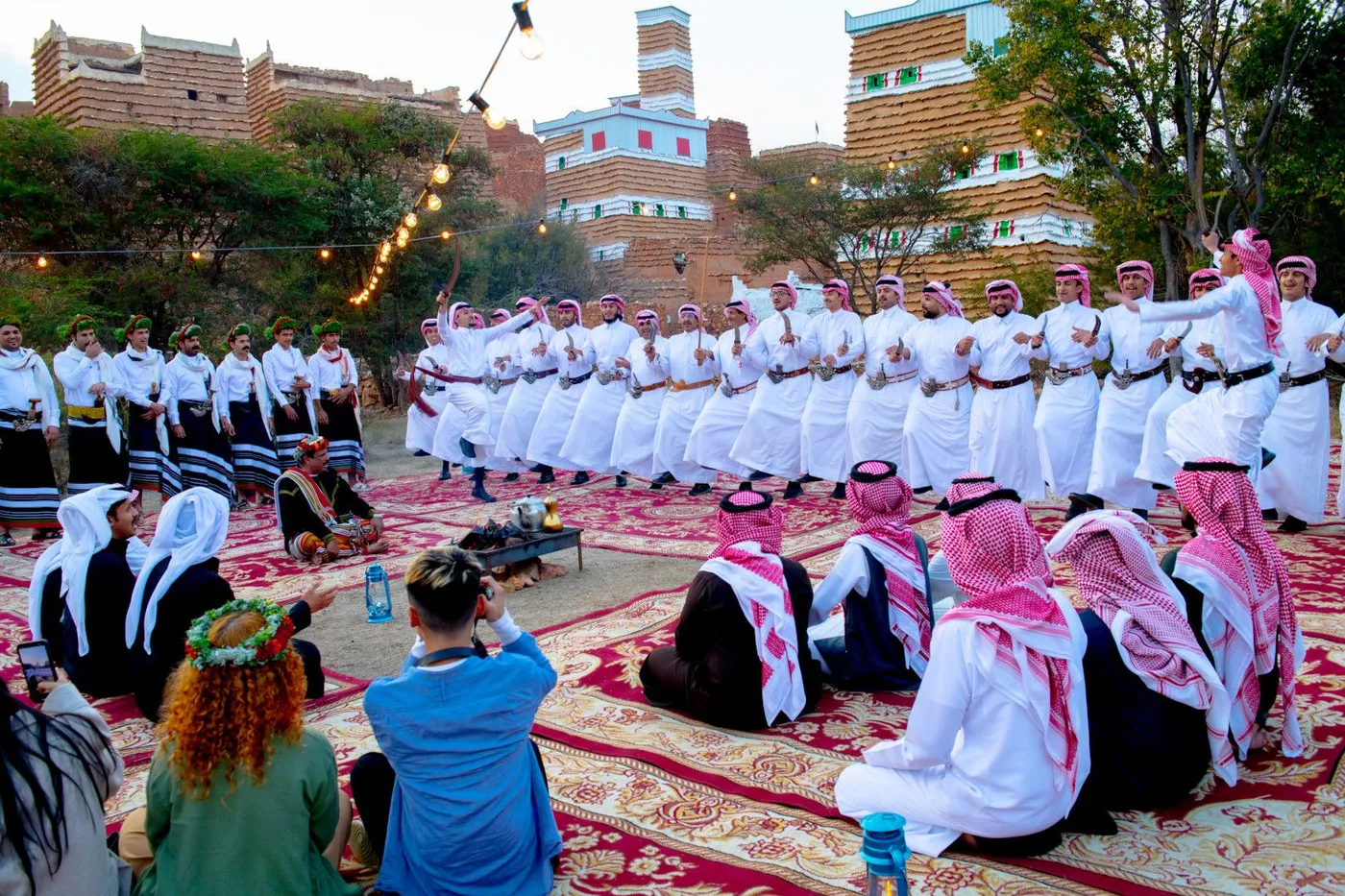
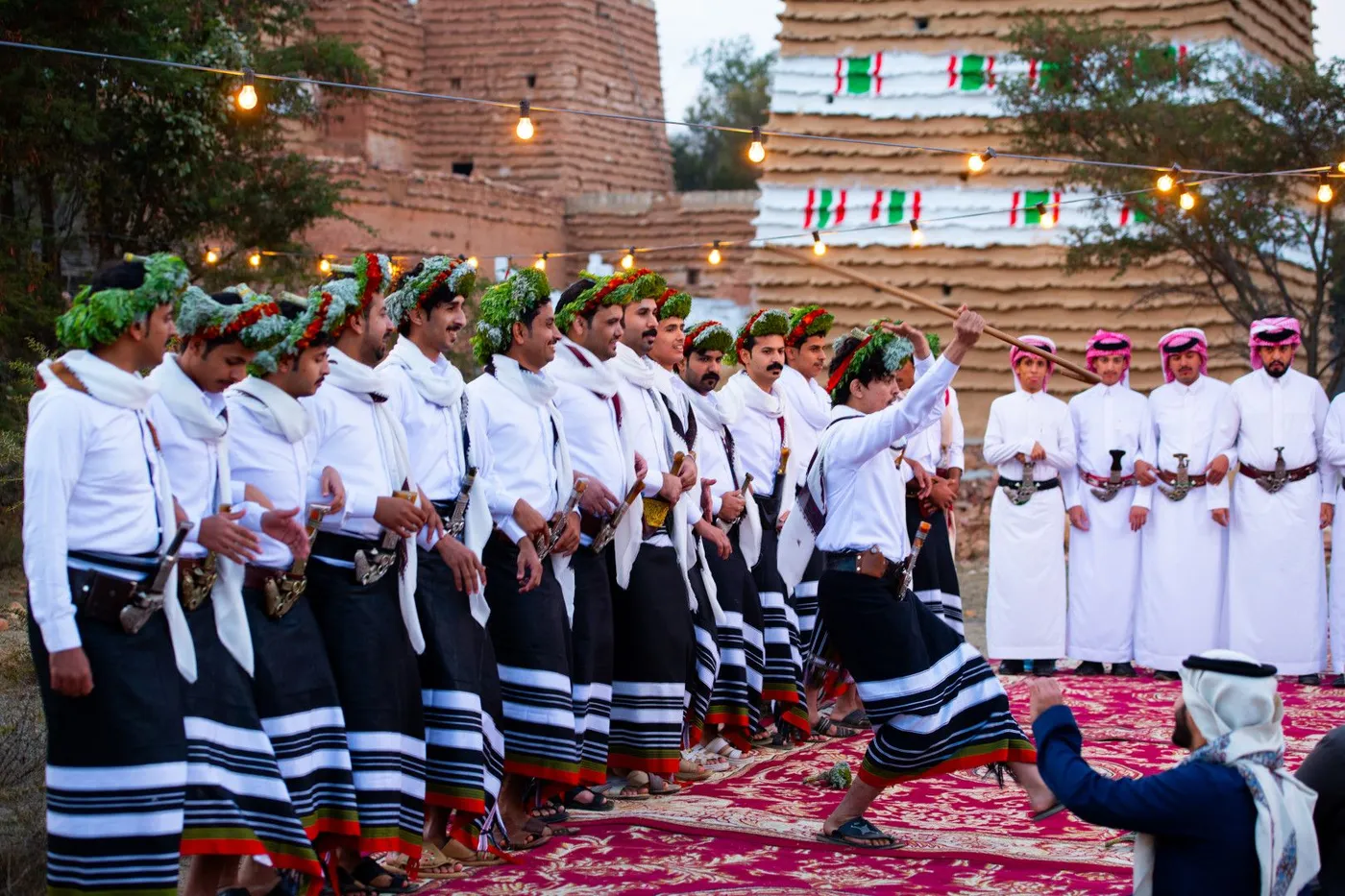
After harvesting, the stalks are transported to the “Jareen” for threshing, then laid out in the sun during the “Tashreeq” stage to ensure the quality of the grains. During these stages, folk songs and collective celebrations highlight the communal nature of wheat cultivation. Wheat is also central to traditional dishes such as Mifa bread, Areeka, and Asida, serving as a nutritious food source and a symbol of self-sufficiency.